
 +8613295467567



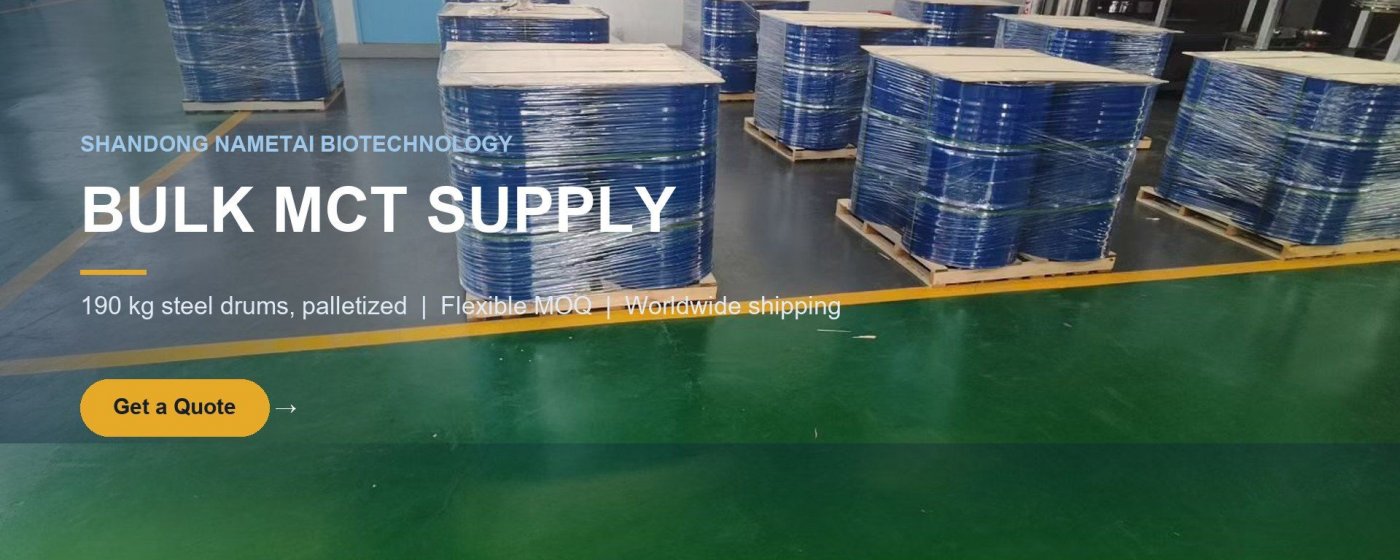
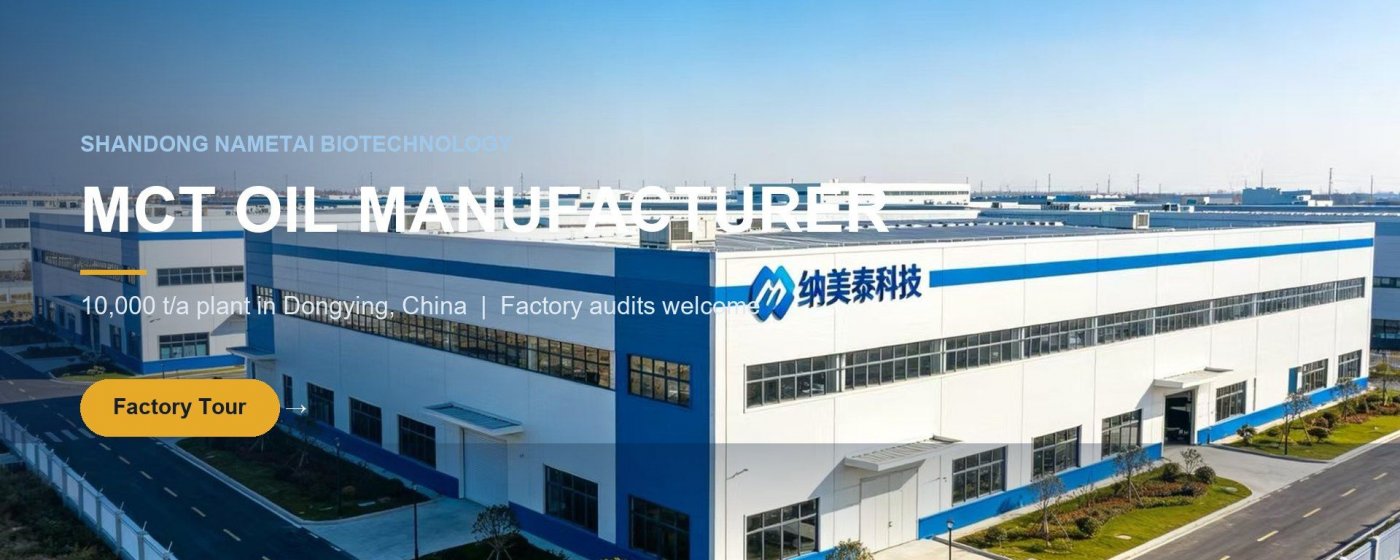
Adding a new MCT oil supplier to an approved vendor list is a decision that outlives the purchase order. The audit — whether remote or on-site — is the step that makes it defensible. Done well, it produces evidence your quality department can file; done casually, it produces impressions that cannot be checked later.
This checklist is written for B2B buyers of MCT oil, MCT powder and emollient esters. It separates what can reasonably be verified remotely from what deserves a site visit, so the remote stage earns the trip instead of duplicating it.
Start Remote: the Document Stage
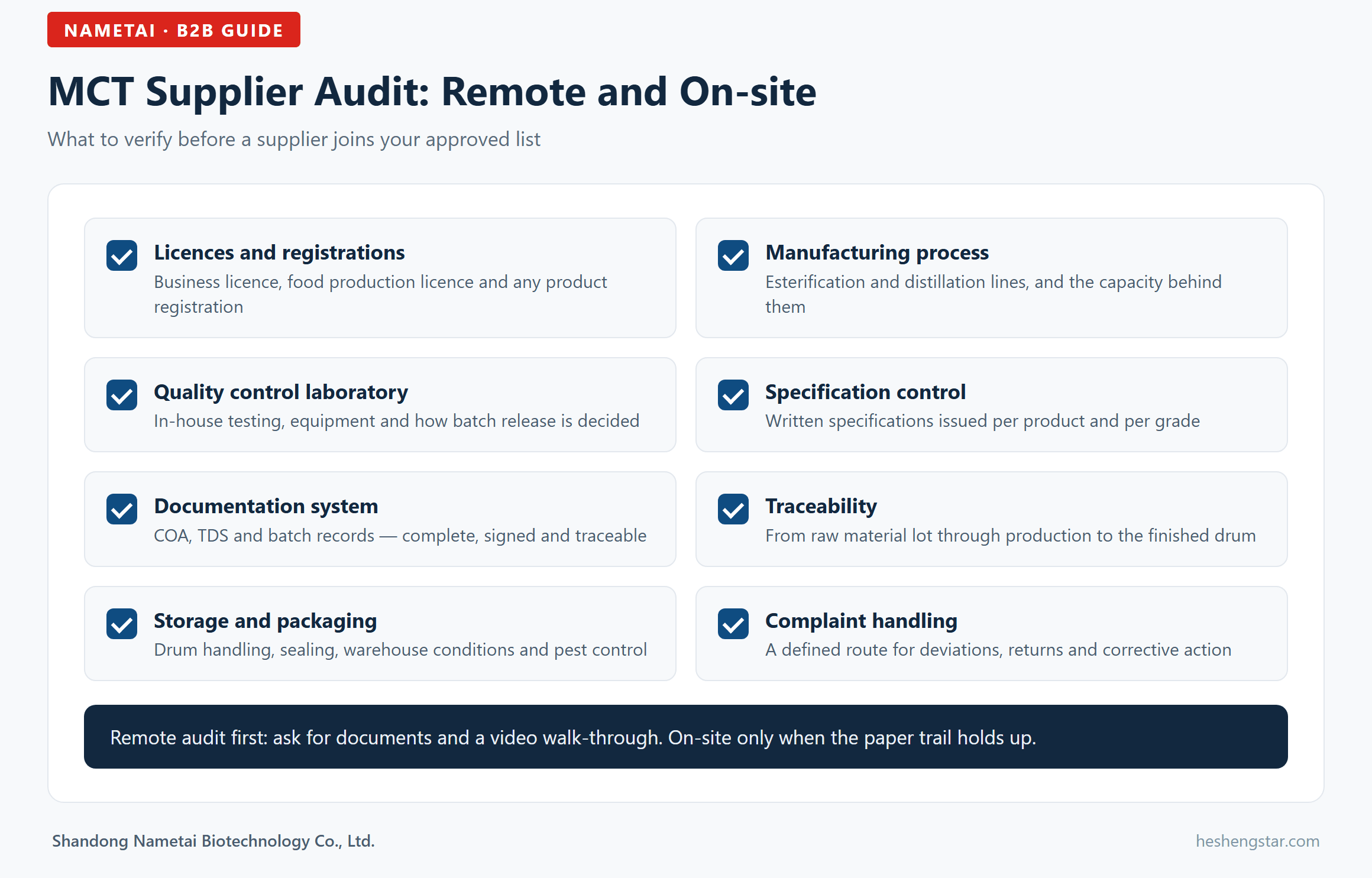
Eight verification points before a supplier joins the approved list.
A remote audit is mostly a document review plus a structured conversation. Ask for the pack in one request rather than trickling questions over weeks; a manufacturer with a working quality system produces the set quickly.
- Licences and registrations. Business licence, food production licence and any product-specific registration. Our certification page lists the certificates held for the Dongying plant, each naming its issuing body.
- Manufacturing process. Which steps are run in-house — esterification, molecular distillation, refining — and which are outsourced. Our factory overview describes the Dongying lines and the 10,000-tonne annual capacity behind them.
- Quality control laboratory. What is tested in-house, with which instruments, and who signs batch release.
- Specification control. A written specification per product and per grade, issued before the order, not after.
- Documentation system. COA, TDS and batch records that are complete, signed and traceable to a batch number.
- Traceability. The ability to walk from a raw material lot to a finished drum and back.
- Storage and packaging. Drum handling, sealing, warehouse condition and pest control.
- Complaint handling. A defined route for deviations, returns and corrective action — ask for one closed example.
What Deserves an On-site Visit

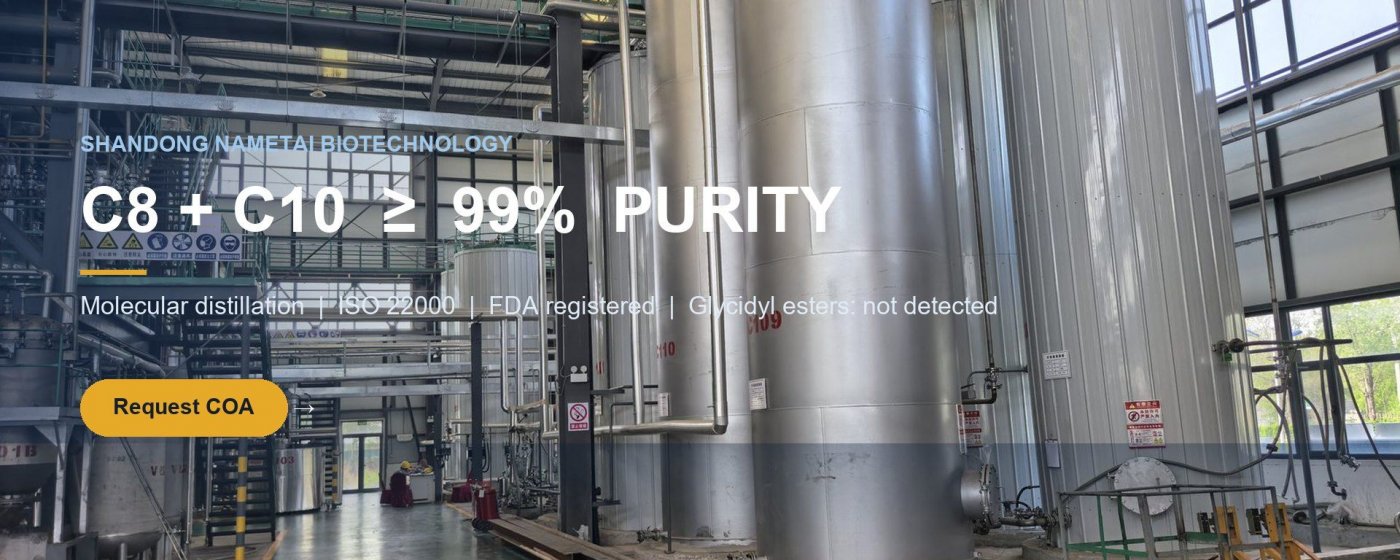
In-house QC laboratory: where batch release is actually decided.
Three things are hard to judge remotely and are worth travelling for:
- The laboratory in operation. Instruments on the bench, methods in use, and the analyst who actually runs the batch — not a photographed room.
- Cleanliness and material flow. How raw material, work in progress and finished drums physically move through the plant, and where cross-contamination would be stopped.
- How records are kept in practice. Whether the batch record you are shown is the one the operators fill in, or a tidy copy prepared for visitors.
If a site visit is not yet practical, a live video walk-through following the same route — warehouse, production, laboratory, dispatch — is a reasonable substitute for the first pass, provided the supplier walks it live rather than playing a recording.
Questions That Reveal More Than a Certificate
- "Show me the COA for the batch currently in your warehouse, and the specification it is judged against."
- "Which tests are done in-house, and which go to an external laboratory? Why?"
- "What happens when a batch fails — who decides, and what does the customer see?"
- "How is a retest date set, and who is responsible for flagging it?"
The value of these questions is not the answer itself but whether it comes quickly, specifically and without rehearsal.
Turning the Audit into a Qualification File
An audit only pays off if it produces a file. Keep the document pack, the question list, the answers, the photographs and the final assessment in one place, dated. When a deviation happens two years later, that file is what separates a controlled investigation from an argument.
The same file should record the commercial terms that were verified alongside quality: MOQ, lead time, packaging and the sample policy. When the audit covers both sides of the plant, anchor it to two specific products and walk their specifications end to end — for example our pharmaceutical-grade MCT oil and our MCT 70% microencapsulated powder. Our guide to evaluating an MCT powder supplier covers the question set in more depth for the powder side, and the documents checklist lists what a complete pack looks like.
FAQ
Is a remote audit acceptable for a first order?
For food and cosmetic grades, a structured remote audit with a full document pack is a common first step. For pharmaceutical excipient use, expect the remote stage to be followed by an on-site visit or a third-party inspection before qualification.
Who should perform the audit?
Ideally the person who will use the material: a quality or technical representative, not only a purchaser. Purchasing sees commercial risk; quality sees the process.
How often should a supplier be re-audited?
A common cycle is every one to two years for critical materials, with a lighter document review in between. Re-audit early after any change of site, line or ownership.
Related Reading
- Documents to request from an MCT oil supplier
- Choosing an MCT oil manufacturer for pharmaceutical applications
- Contaminants in MCT oil: what to screen for
Request a Quote
If you are building a supplier qualification file, we can supply the document pack that supports it — specification, TDS, batch COA and the certificates held for the plant. Start from the Quality & Compliance page or use the request a quote form.